Lovevery Review 2026: Are the Play Kits Worth the Price?
Lovevery turned developmental play into a subscription: Montessori-inspired toys, matched to a baby’s age and delivered on a schedule. The toys are genuinely beautiful — but premium-priced. We break down what you actually get, what it costs, and whether it’s worth it.
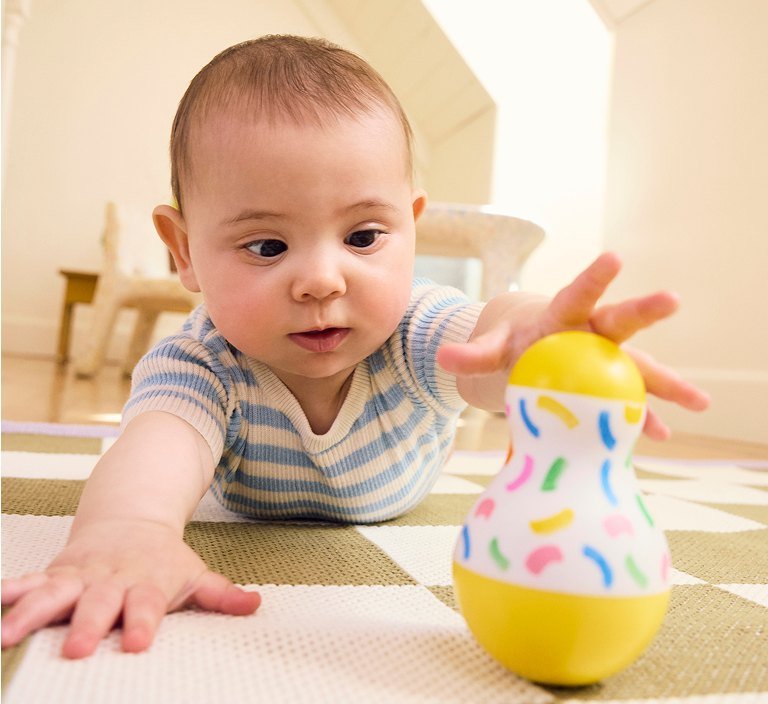
Most baby toys are bought on a hunch — something colourful off a shelf. Lovevery’s pitch is the opposite: every toy is matched to a specific developmental window, designed by child-development experts, and delivered at the exact moment your baby is ready for it. Founded in 2017 by Jessica Rolph and Roderick Morris, the brand now sits at the centre of the “Montessori at home” movement.
The honest framing for any Lovevery review is this: the toys are not cheap, and the quality is real. The question is whether the premium is buying you better toys — or just buying you the convenience of not having to think about which toys to get.
What Lovevery Is
Lovevery designs Montessori-inspired, stage-based playthings for babies and toddlers, roughly birth through age four. The philosophy is simple: a child’s brain is working on something different at every age, so the toys should change with it. Everything is built from solid wood, organic cotton and food-grade silicone — no batteries, no lights, no electronic noise — and finished with water-based, non-toxic paints.
- The Play Gym — the flagship, a wooden activity gym with five developmental zones and swappable cards that keep it relevant from newborn to about 12 months.
- The Play Kits — the subscription, a curated box of toys for each developmental stage.
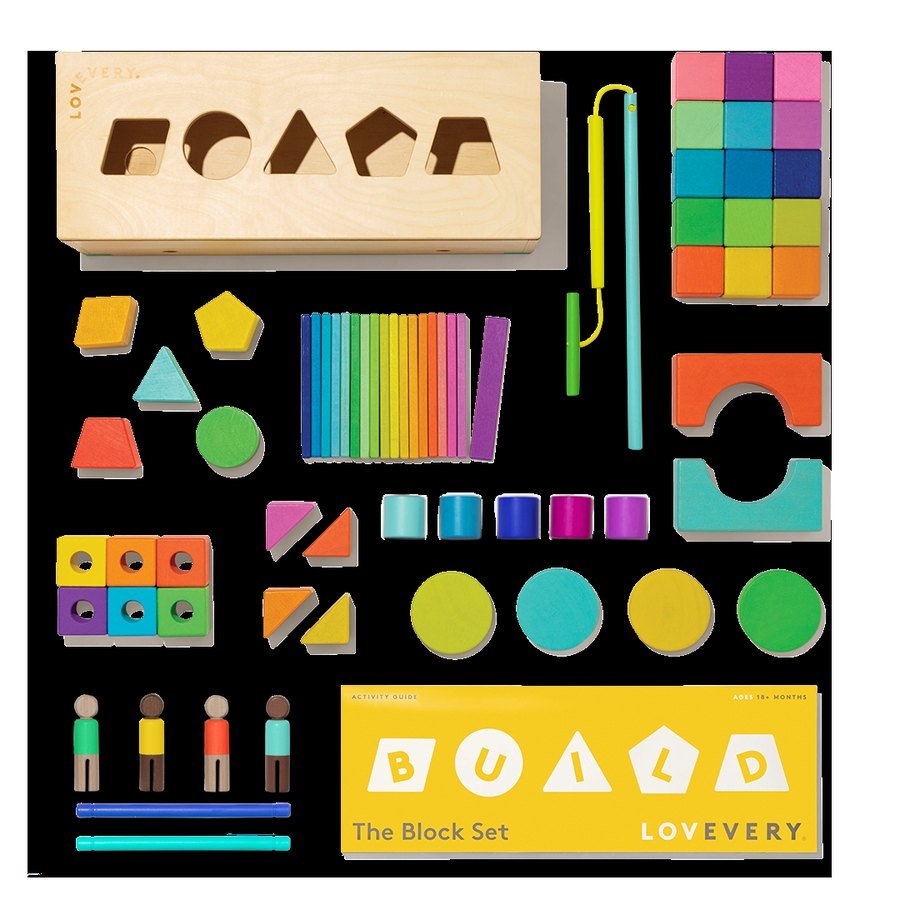
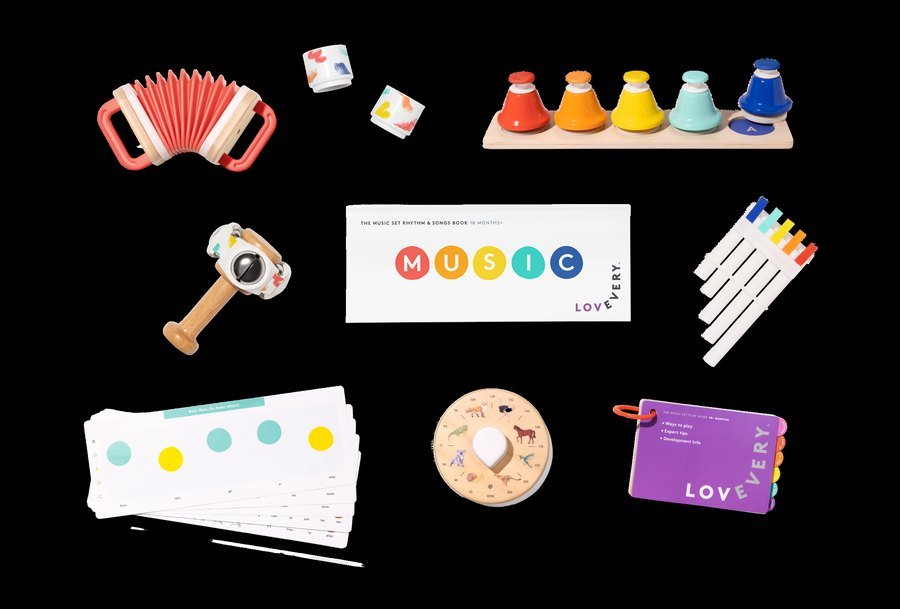
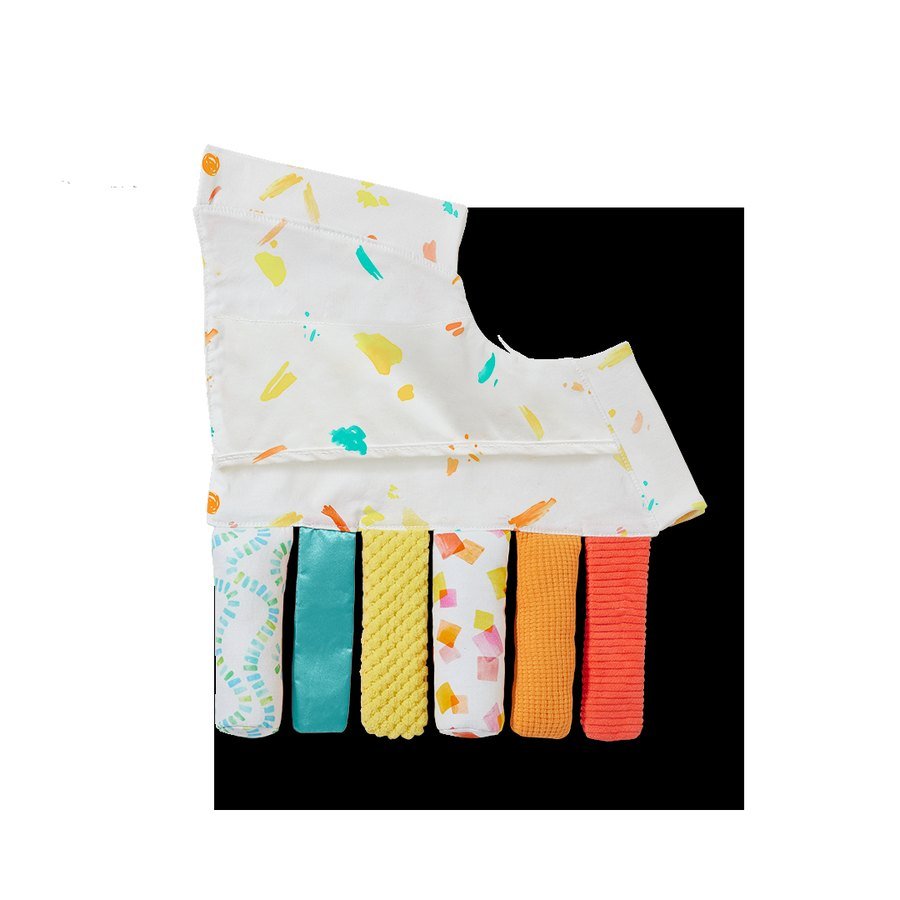
- Individual toys — the Block Set, Music Set, Sensory Strands, Play Tunnel, Pull Pup, Buddy Stroller and more, sold a la carte.
How the Play Kits Subscription Works
The Play Kits are the product Lovevery is famous for. Here is how they actually work:
- Age-based schedule. Kits arrive roughly every two months for infants, then less frequently as the child gets older — each box targets the window the child is entering (e.g. The Looker for newborns, The Babbler around 13–15 months, The Analyst around 22–24 months).
- A curated set, plus a guide. Each kit contains a handful of toys plus a “Play Guide” booklet that explains what developmental skill each toy supports, how to present it, and when to introduce or retire it.
- Skip, pause or cancel. The subscription is flexible — you can skip a kit, pause, or cancel at any time, and kits can also be bought individually (at a higher per-kit price).
The appeal is straightforward: you never have to research what a baby that age should be playing with, because the right toys simply show up. For first-time parents, that curation — and the confidence of knowing the toys are developmentally appropriate and safe — is the real product, more than the toys themselves.
What You Actually Pay
| Product | Price | What it is |
|---|---|---|
| The Play Gym | $140 | The flagship activity gym |
| Play Kits subscription | $80/kit | Age-staged toy boxes |
| The Block Set | $90 | 70-piece wooden blocks |
| The Music Set | $120 | Wooden & metal instruments |
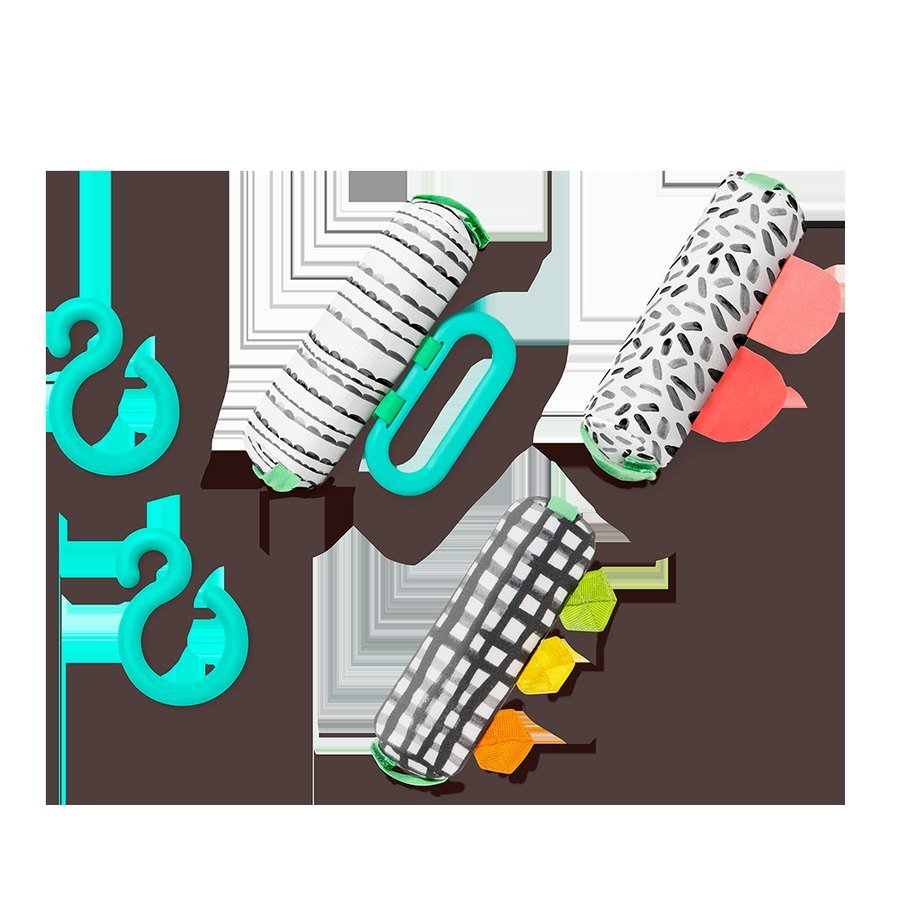
| Sensory Strands | $30 | Soft sensory strands |
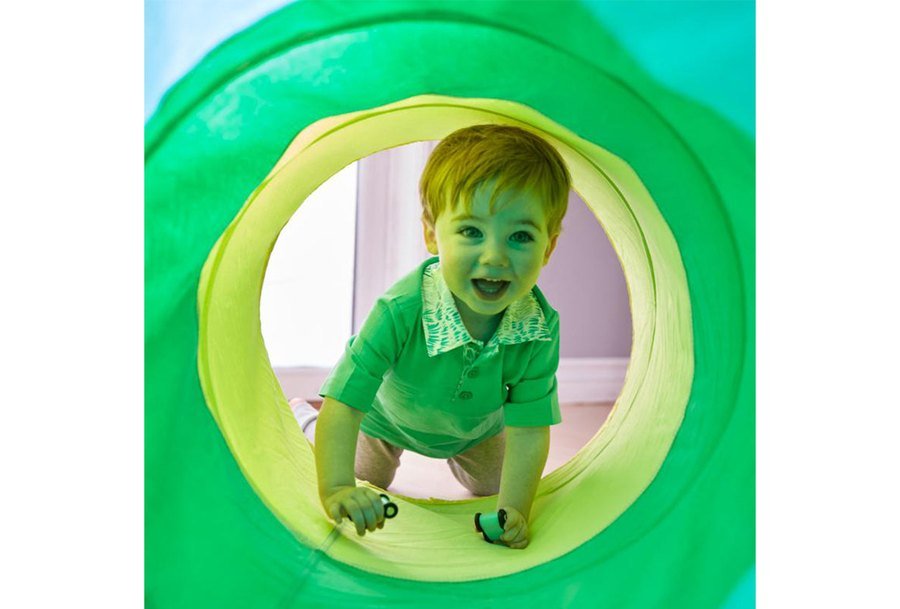
| The Play Tunnel | $50 | Cotton crawl tunnel |
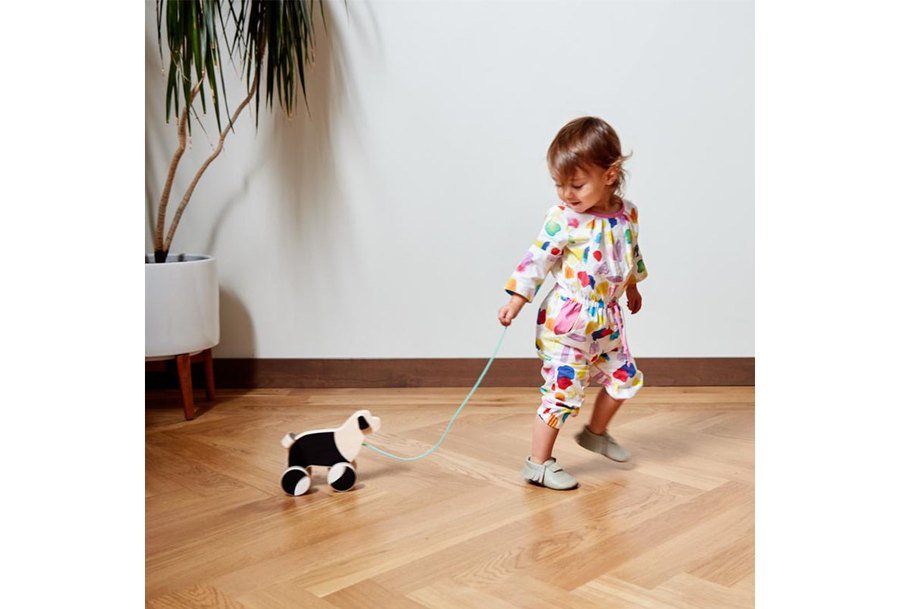
| The Pull Pup | $22 | Wooden pull-along toy |
| The Buddy Stroller | $55 | Toy stroller & walker |
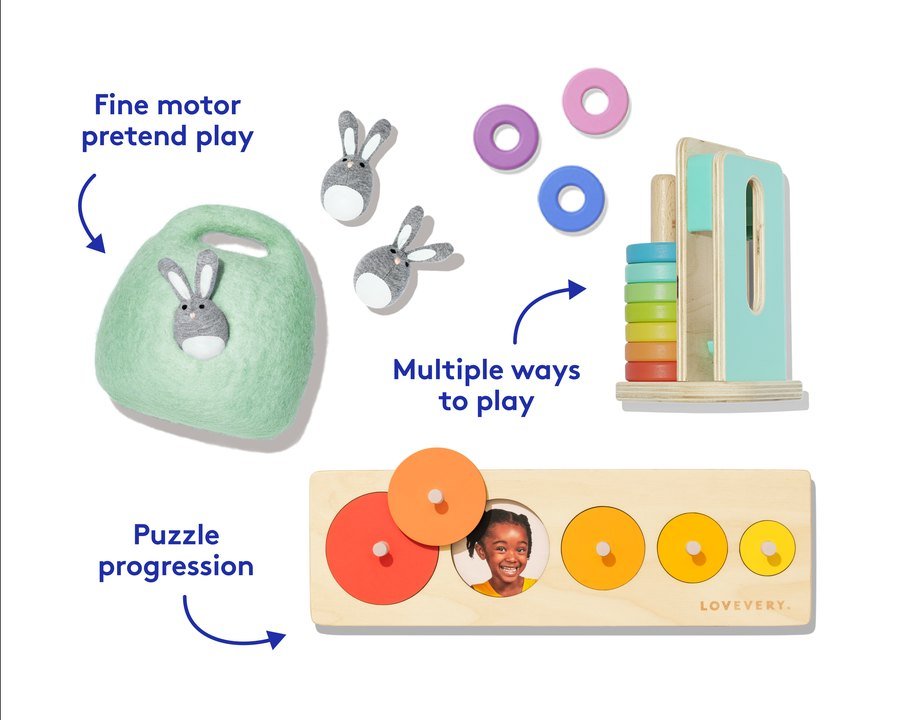
| Rainbow Stacker | $45 | Nesting & stacking toy |
| The Babbler Play Kit (single) | $120 | 13–15 month kit, one-off |
The subscription is the value play: at $80 per kit versus roughly $120 for a kit bought individually, subscribing knocks the per-kit cost down meaningfully. Over a full year that is still around $320–$480 of toys, which is the real number to weigh against a basket of individually-bought wooden toys.
The Lineup at a Glance
Ten products, from a $22 pull toy to the $140 flagship. Tap any card to see it on the official site.


What’s Good
The materials are genuinely premium
Solid wood, organic cotton, food-grade silicone, water-based paints — everything is built to be mouthed, dropped and passed down to a second child. There is no off-gassing smell, no cheap plastic, no neon flashiness. On build quality, Lovevery sits well above generic Amazon brands and alongside (or above) the better wooden-toy makers.
The developmental design is real, not a marketing label
Each toy maps to a specific milestone, and the Play Guides explain the “why” behind every piece. This is not random toy selection with a Montessori sticker slapped on — the sequencing and the guidance are the part competitors struggle to copy.
The curation saves real mental labour
For a first-time parent, the single biggest benefit is not having to research. The right toy for a 9-month-old arrives on its own, with instructions. That is worth a lot more to some families than it is to others.
Strong resale value
Because kits are branded and hold their condition, complete Lovevery sets routinely resell on eBay and Facebook Marketplace for 50–70% of retail — something few generic toys can claim.
Pros & Cons
✓ Pros
- Excellent build quality: solid wood, organic cotton
- Developmentally researched, stage-matched design
- Play Guides remove the guesswork for new parents
- Safe, non-toxic, screen-free and battery-free
- Strong resale value (50–70% of retail)
- Subscription is skippable, pausable and cancellable
✗ Cons
- Premium pricing — 2–3x generic toys
- Subscription cost adds up over months and years
- You can replicate most of it with cheaper toys
- Some single toys are pricey for what they are
- Aesthetic consistency is part of what you pay for
The Honest Downsides
This is the part the marketing skips, and it matters:
It is expensive — and the subscription compounds
A single kit is roughly $80–$120, and the flagship Play Gym is $140. That is two to three times what you would spend assembling a comparable basket of wooden toys yourself. Over the full 0–48 month span, a subscription runs into the low four figures. The quality justifies a premium — but it is a real premium, not a rounding error.
You can replicate the outcome for less
Here is the uncomfortable truth: a shape sorter from Melissa & Doug, a wooden rattle from Hape, stacking rings from any decent maker and a $60 non-branded play gym will cover most of the same developmental ground at 40–50% of the cost. What you lose is the curation, the sequencing, the guides and the unboxing experience — not, in most cases, the developmental outcome.
Some individual toys are overpriced for what they are
A $22 pull toy or a $55 toy stroller is a premium for a single piece, and a few Lovevery items are genuinely unique (the Play Gym design, the ball-drop pieces, the integrated guide system) while others are closer to very nice versions of things you can find elsewhere.
The aesthetic is part of the price
Part of what you are paying for is the consistent, Instagram-worthy look of a matching set of muted, design-led toys. If you do not care about that, you are paying for something you will not value.
Who It’s For (and Who Should Skip It)
Lovevery is squarely for first-time parents who want screen-free, developmentally-appropriate toys and are happy to pay to remove the guesswork — and for anyone who values a curated, matching, design-led play space. Skip it if you are on a tight budget, if you already know your way around Montessori toys, or if you enjoy assembling your own mix. The individual standout pieces (the Play Gym, the Block Set) are also smart one-off gifts for people who do not want the subscription.
Buying Tips
- Try one toy before you commit. The Sensory Strands at $30 or the Pull Pup at $22 are cheap ways to feel the build quality before subscribing.
- Subscribe if you are all-in, buy a la carte if you are not. The subscription drops kits to $80 from ~$120 individually — but only commit if you actually want a new box every couple of months.
- The Play Gym and Block Set are the best single purchases. They have the longest useful life and are the two hardest to replicate with cheap substitutes.
- Check resale before you buy new. Complete kits regularly sell for 50–70% of retail, so second-hand is a genuine way to cut the cost.
Frequently Asked Questions
Is Lovevery worth the money?
It depends what you are buying. The toys themselves are genuinely excellent — beautiful, durable, developmentally matched. What you pay a premium for is the curation and the convenience of not having to research. If you value that, it is worth it; if you are happy to build your own mix, the standout individual toys deliver most of the quality without the subscription.
How much does the Play Kits subscription cost?
Each kit is $80 on subscription, arriving roughly every two months for infants and less frequently for older toddlers. That works out to around $320–$480 a year depending on age. Individual kits bought one-off cost more (roughly $120), and you can skip, pause or cancel at any time.
What age is Lovevery best for?
Lovevery is designed for birth through about age four. The Play Gym covers newborn to ~12 months, the Play Kits span the full range, and the Block Set is built to last from about 12 months into the school years.
Can I buy Lovevery toys without subscribing?
Yes. The Play Gym, Block Set, Music Set, Sensory Strands, Play Tunnel, Pull Pup, Buddy Stroller and other individual toys are all sold a la carte. Individual Play Kits can also be bought as one-offs, at a higher price than the subscription rate.
Are Lovevery toys actually safer or better-made than cheaper brands?
They are built to a high standard — solid wood, organic cotton, food-grade silicone and non-toxic water-based finishes, meeting or exceeding ASTM and EN-71 safety standards. The build quality is genuinely better than generic Amazon toys and comparable to the best wooden-toy makers. The price difference is mostly about curation and brand, not wood quality.
Final Verdict
✓ Buy it if
- You are a first-time parent who wants the guesswork removed
- You value a curated, matching, screen-free play space
- You want durable, heirloom-quality toys
- You are happy to pay for curation and convenience
✗ Skip it if
- You are on a strict budget
- You already know your way around Montessori toys
- You enjoy assembling your own toy mix
- You only want one or two toys
Ready to start with Lovevery?
Grab the Play Gym or Block Set for the longest-lived value, or subscribe to the Play Kits to have the right toys arrive on schedule.
Shop Now →