Moody Lenses Review 2026: Are Prescription Colored Contacts Worth It?
Moody Lenses sells prescription colored contact lenses — daily, monthly and six-month styles in blues, browns, pinks and grays. We break down how they work, what a valid prescription actually means, and what you’ll really pay.
Colored contacts have a reputation problem: they are everywhere on social media, yet too many people treat them like lipstick — something you can just pick up because it looks pretty. That is the wrong way to think about them, and Moody Lenses is actually upfront about why. Every lens on the site is sold as a prescription medical device, and you cannot complete a purchase without supplying a valid prescription.
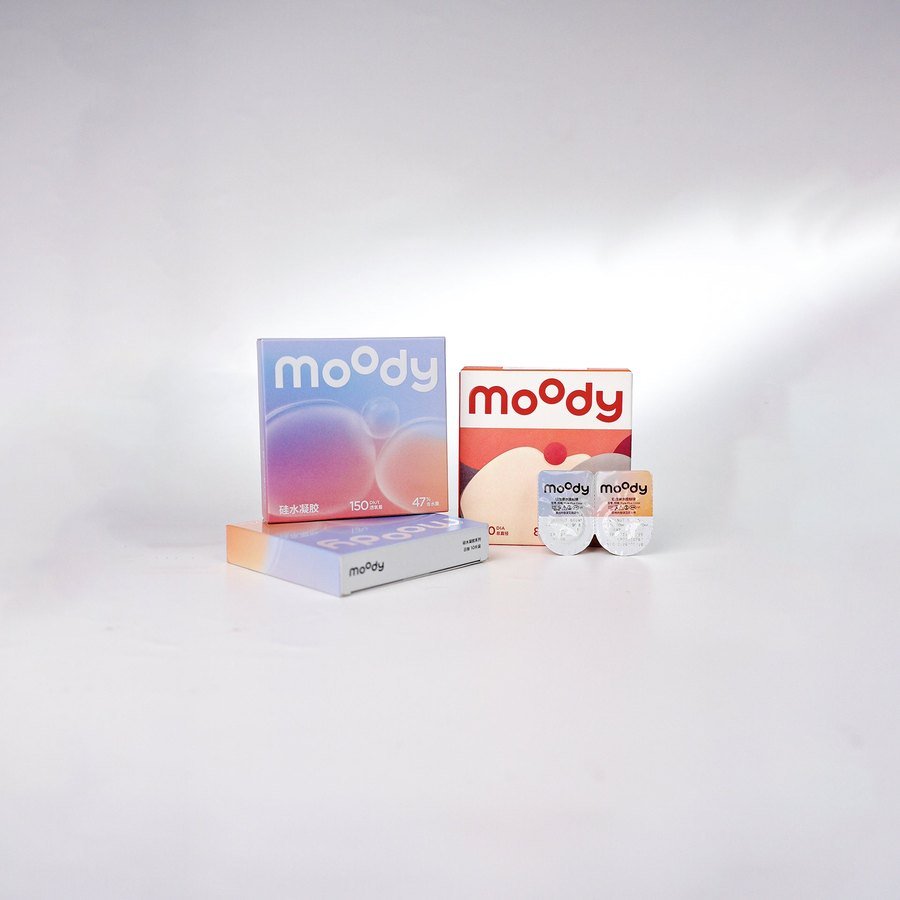
Moody Lenses (moodylenses.com) is an Asian beauty contact-lens brand with a global online store. The catalog is built around natural-looking enhancers and bolder fashion colors, offered across three wear schedules — 1-day, 1-month and 6-month — in a range of diameters and graphic patterns. The “GlowyLock” line is its signature: lenses designed to brighten and highlight the iris rather than just flatten it with a solid color.
What Moody Lenses Actually Is
The brand sells prescription colored contact lenses — corrective lenses that also change or enhance your eye color. Unlike the cheap novelty lenses you might find at a pop-up or festival (which are often illegal to sell in many countries), Moody positions itself squarely in the medical-device category: each product lists its base curve, diameter, water content and material, and every purchase is gated behind a prescription check.
- Daily (1-day) lenses — the bulk of the catalog. Fresh pair every day, no cleaning or storage needed. Singles run roughly $25.99–$27.99 per 10-pack.
- Monthly (1-month) lenses — worn for up to a month with proper cleaning and storage. Around $21.99–$23.99 per pair.
- 6-month lenses — the longest-wear option, around $16.99–$27.99, replacing roughly every six months.
- Bundles — 30-piece daily sets (three 10-packs) at $45.99, and a 6-month multi-pack.
How Colored Contacts Work — and the Prescription Rule
Here is the part that matters more than any color chart. Colored contact lenses are medical devices regulated like any other contact lens. In the United States, that means federal law requires you to have a valid, current prescription from an eye care professional — even if you have perfect vision and only want them for looks. A legitimate seller will verify that prescription before shipping, and it is a red flag if a store lets you check out without one.
Why this is not optional
A contact lens sits directly on your cornea. A lens that is the wrong base curve, the wrong diameter, or simply made to a looser quality standard can scratch your cornea, cause irritation, or set up serious infections — some of which can threaten your vision. The colored pigment layer is also a factor: quality lenses sandwich the color inside the lens so it never touches your eye, which is not a given with cheap lenses.
What you need before you buy
- A valid prescription from an optometrist or ophthalmologist, including base curve (BC), diameter (DIA) and any diopter (power) correction.
- A fitting — your eye doctor should confirm the lens fits your eye properly, especially the first time you try a new brand.
- Realistic expectations — a proper hygiene routine (and for reusable lenses, cleaning solution and a case) is non-negotiable.
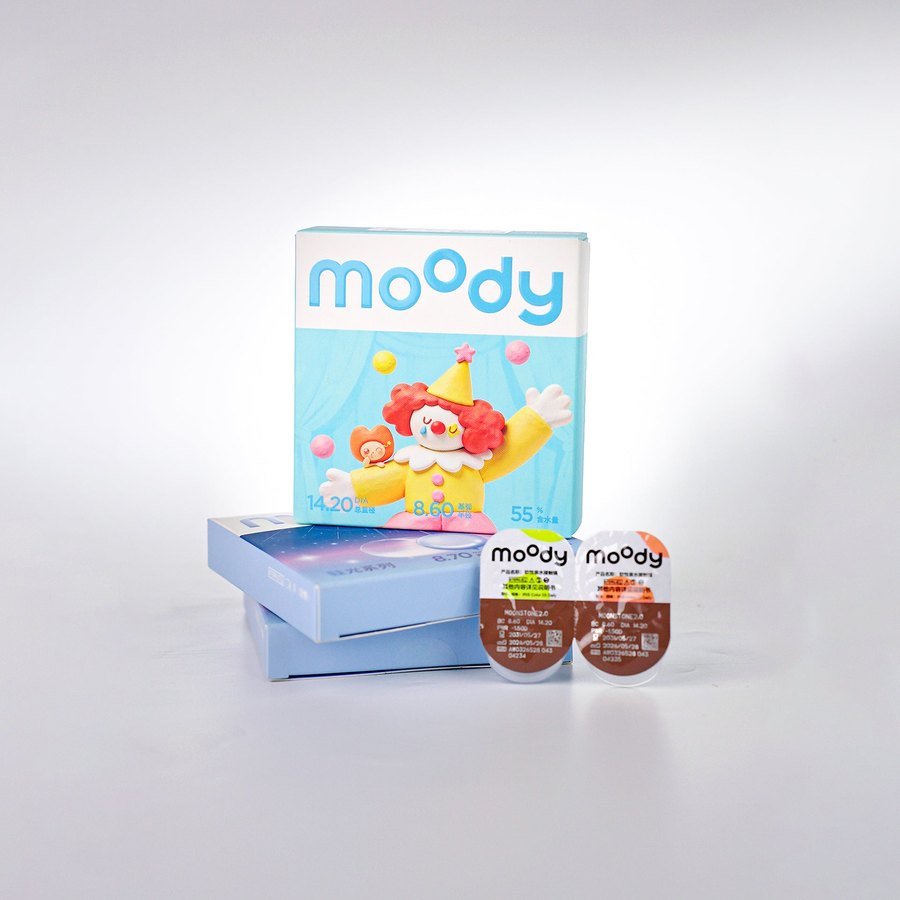
Moody’s product pages list base curves around 8.6–8.9 mm and diameters around 14.2–14.5 mm, and its lenses carry diopters from 0.00 (plano) down to -8.00 in 0.25 or 0.50 steps depending on the lens. That is genuine prescription coverage, not a “one size fits all” gimmick.
What You Actually Pay
| Product | Price | What it is |
|---|---|---|
| Trial (single pair, daily) | $5.99 | Cheapest way to sample the brand |
| Daily singles (10 pcs) | $25.99–$27.99 | One style, 10 lenses |
| Monthly | $21.99–$23.99 | One pair, worn up to a month |
| 6-Month | $16.99–$27.99 | One pair, worn up to six months |
| Daily bundles (30 pcs) | $45.99 | Three 10-packs, best per-lens value |
On a per-wear basis this is competitive for the category: a 30-piece bundle works out to about $1.53 per lens, and a 6-month pair at $27.99 costs under $5 a month. The trial at $5.99 is an unusually cheap, low-commitment entry point. What you will not see hidden in the fine print is the true cost of wearing contacts properly — solution, cases, replacement schedules and regular eye exams — so budget for those too.
The Lineup at a Glance
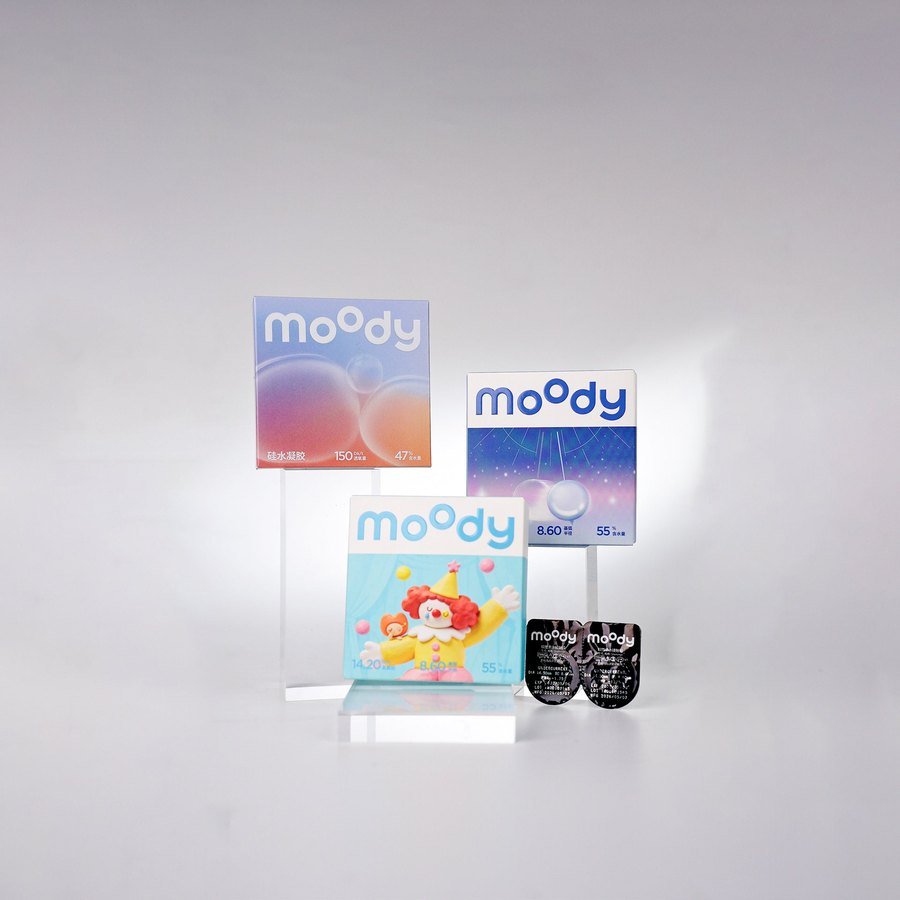
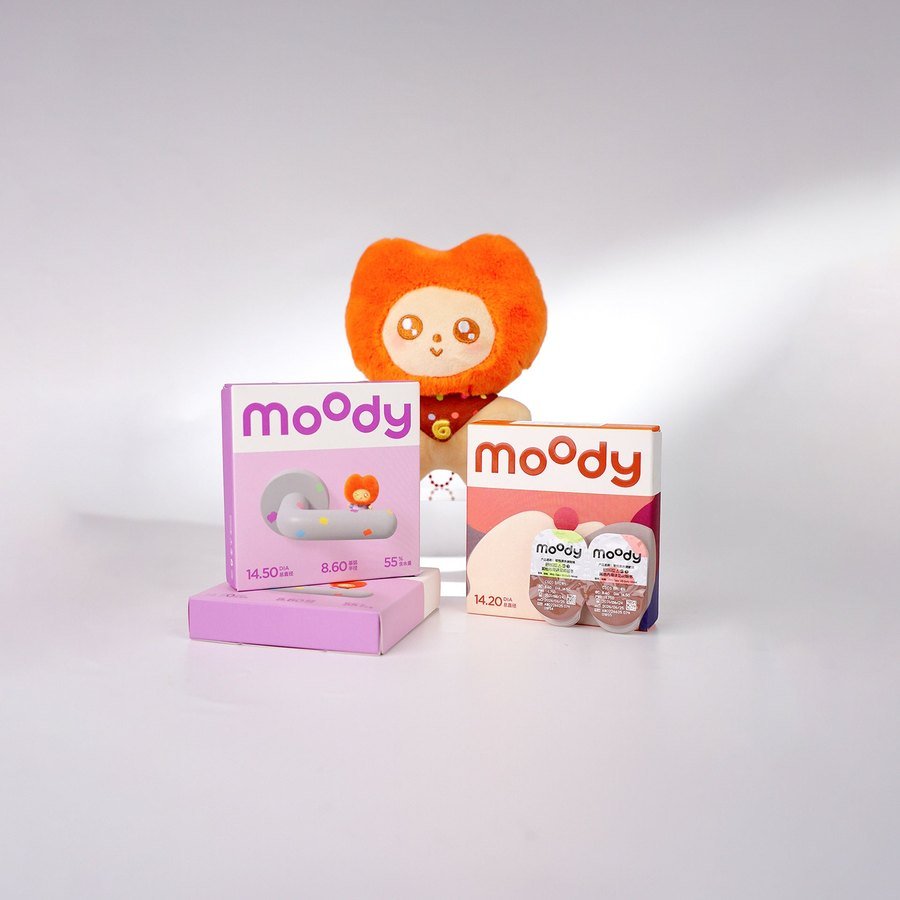
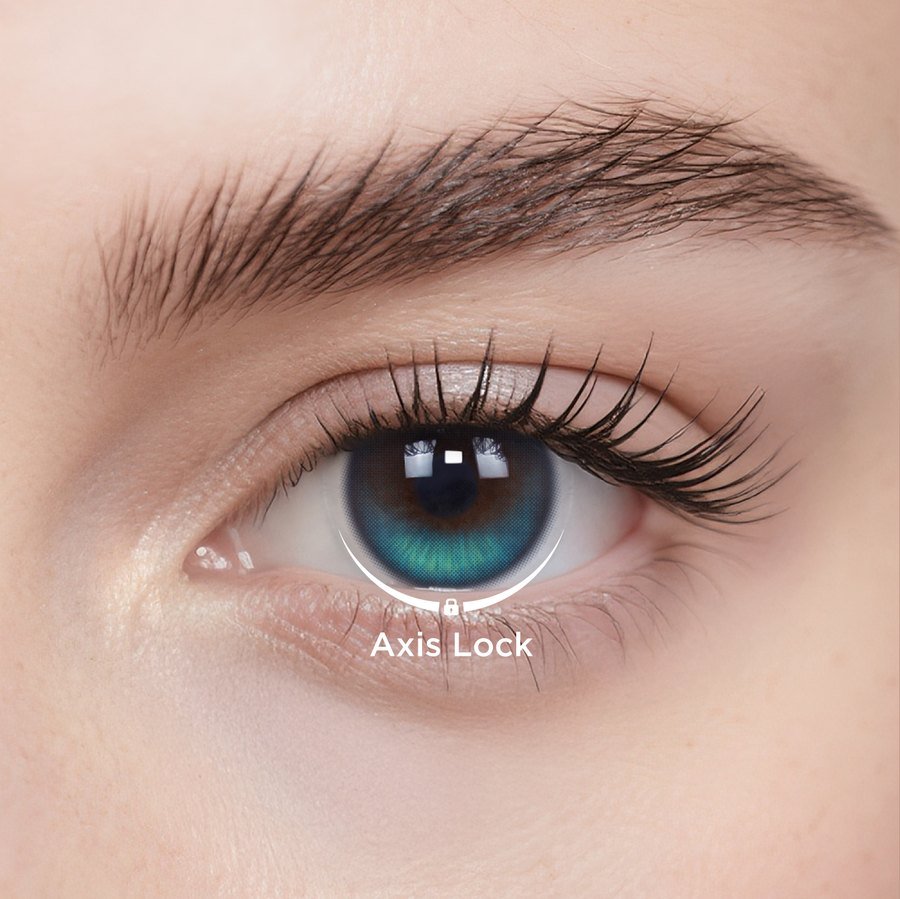
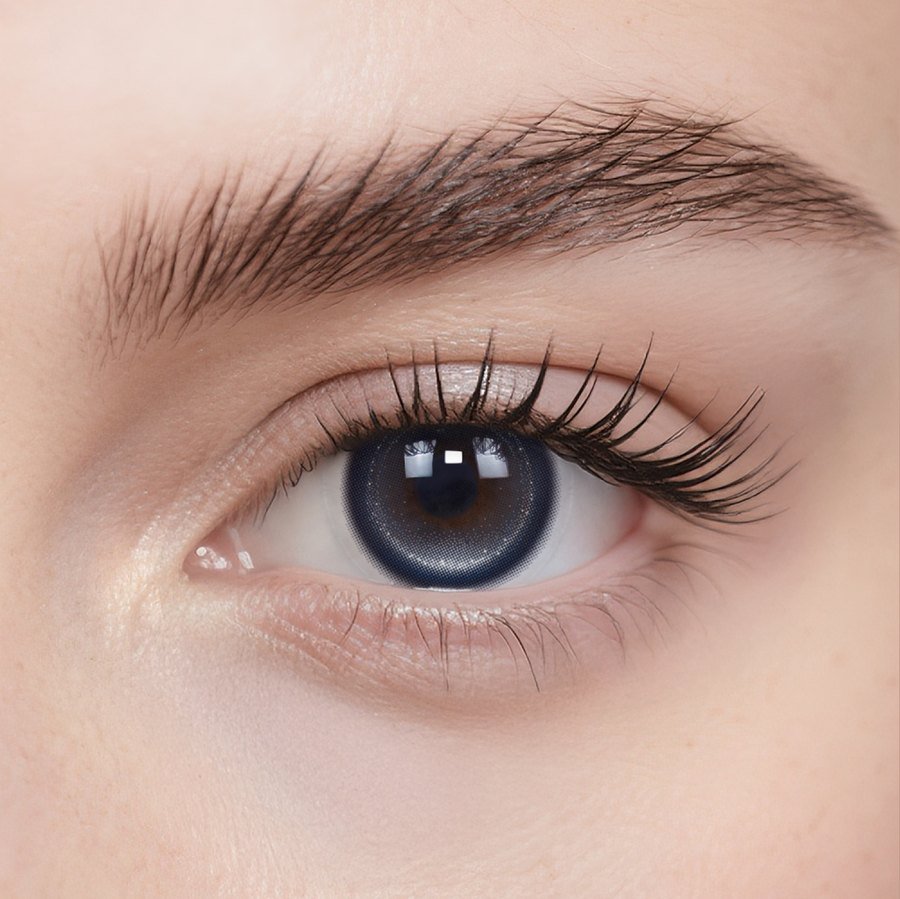
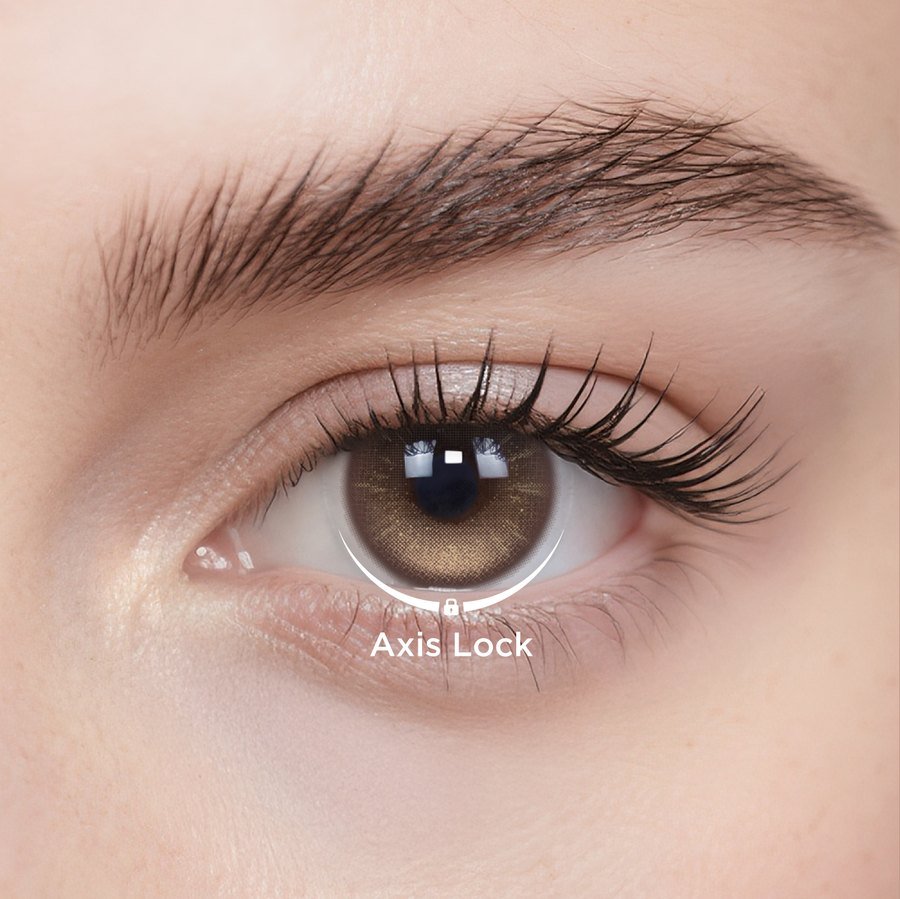
Ten products, from a $5.99 trial to 30-piece daily bundles. Tap any card to see it on the official site.
What’s Good
A real range of colors, not just “blue and brown”
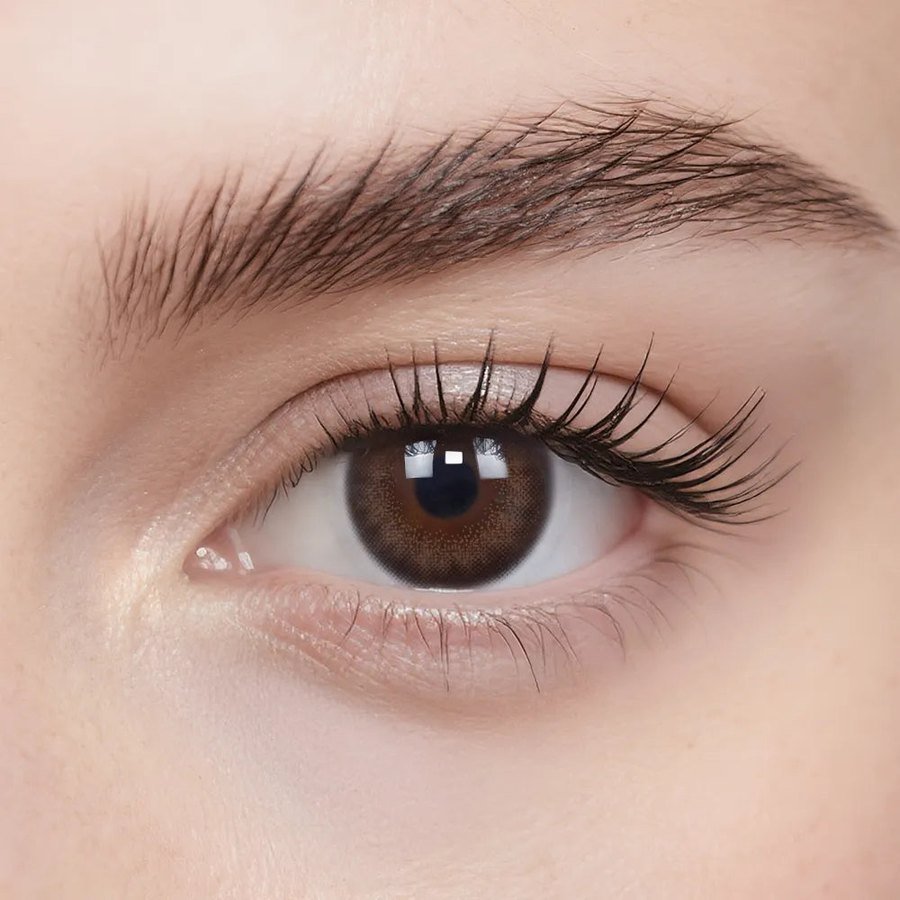
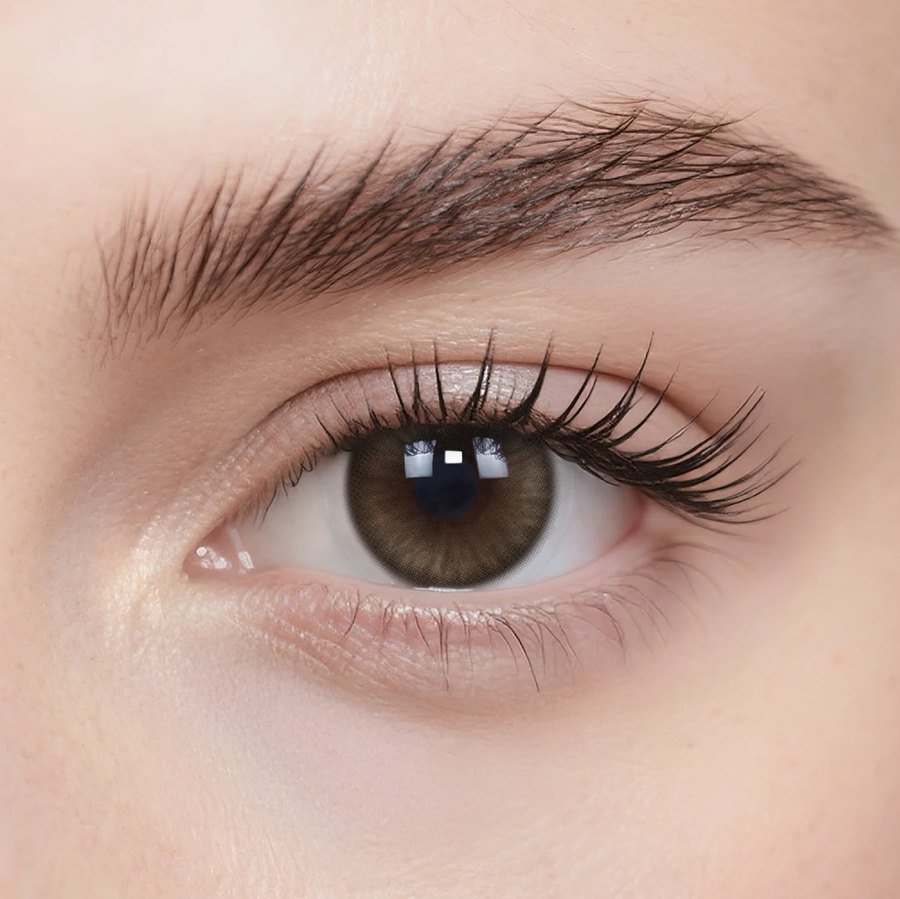
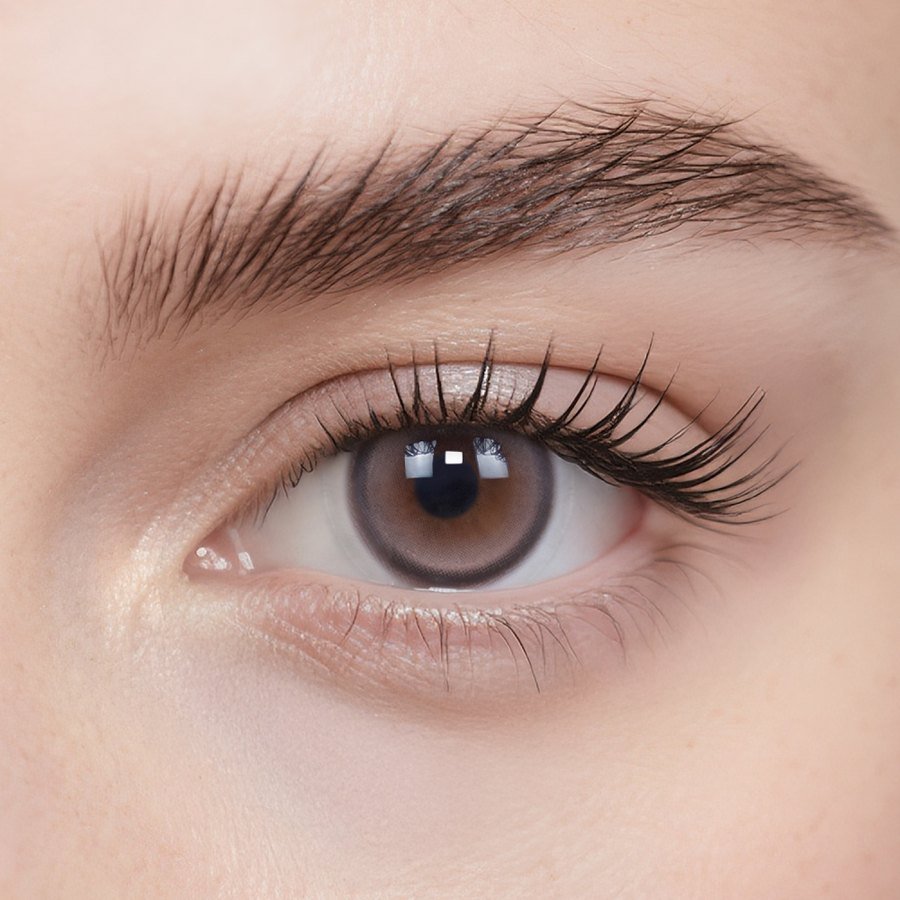
Beyond the classic browns, Moody carries grays, pinks, violets, greens and gradients like the Aurora Blue (lake blue fading into mint) and Ethereal (deep blue with silver shimmer). The GlowyLock line in particular is designed to add a soft highlight to the lower iris, which gives a more dimensional, less “painted-on” look than flat color lenses.
Genuine prescription coverage
Diopters run from 0.00 (plano) down to -8.00, and each lens lists its base curve, diameter and water content. That is the practical sign of a real medical-device seller, and it means people who need correction are not left out the way they often are with fashion contacts.
Multiple wear schedules
Daily, monthly and six-month options mean you can match the lens to your lifestyle — dailies for occasional wear and zero maintenance, monthlies or 6-month lenses if you wear them most days and are disciplined about cleaning.
Honest pricing
There is no inflated “luxury” markup here. Prices sit in the mainstream band for the category, and the bundles genuinely lower the per-lens cost.
Pros & Cons
✓ Pros
- Wide color range with natural and bold styles
- Real prescription options (plano to -8.00 diopters)
- Daily, monthly and 6-month wear schedules
- Low-cost $5.99 trial to sample the brand
- Bundles drop the per-lens price to ~$1.53
✗ Cons
- Prescription and fitting are mandatory
- Reusable lenses demand strict cleaning habits
- Comfort varies by person and lens material
- Ongoing costs (solution, exams) add up
- Color rendering can differ from product photos
The Honest Downsides
No review of contact lenses is complete without the parts that are easy to skip:
You cannot just “add to cart”
Because these are prescription medical devices, buying is deliberately slower than buying makeup. You need a valid, current prescription, and your first order of a new brand ideally follows a proper fitting. If you were hoping for a same-day impulse purchase, that is not how this works — and that is a good thing.
Comfort is personal
Water content, diameter and material all affect how a lens feels, and no amount of reviews will tell you how your own eyes will react. What feels weightless to one person can feel dry or foreign to another. This is exactly why a fitting and a trial pair matter before you commit to a 30-piece bundle.
Color can look different on you
Your natural iris color changes how a lens reads. A sheer taupe like Candle Waltz is designed to let your own color show through, while a bolder blue will look completely different on a dark eye versus a light one. The on-eye photos are helpful but are still a best case, not a promise.
Maintenance is the real cost
Reusable lenses mean solution, a clean case, replaced on schedule, and hands washed before every handling. Skip any of it and you are inviting irritation or infection. If you know you will not keep up a routine, dailies are the safer choice — and they cost more per wear.
Who It’s For (and Who Should Skip It)
Moody Lenses is a good fit for people who already wear contacts (or have a valid prescription) and want a broader, more fashion-forward color selection than their optometrist’s office carries — especially the natural-looking GlowyLock enhancers and the gradient colors. It is also a sensible place to start if you want a cheap trial before committing. Skip it if you do not have a current prescription, if you are unwilling to see an eye doctor for a fitting, or if you want a purely cosmetic, no-prescription-required novelty lens — in which case the honest answer is that you should not be buying contact lenses at all.
Buying Tips
- Get your prescription first. Know your base curve, diameter and diopter before you browse. Do not guess these numbers.
- Start with the $5.99 trial. It is a cheap way to check fit and comfort for a single style before you buy a bundle.
- Try dailies if you are new. No cleaning, no storage, lower infection risk from reuse — the most forgiving place to start.
- Match the wear schedule to your habits. Occasional wearer? Dailies. Most-days wearer who is disciplined about cleaning? Monthly or 6-month will cost less per wear.
- Watch the diopter rule on bundles. In the multi-pack bundles, one diopter applies to every pack in the set — so bundles only make sense if both your eyes need the same correction.
Frequently Asked Questions
Do I need a prescription for Moody Lenses?
Yes. Colored contact lenses are regulated medical devices, and in the US (and most other countries) you need a valid, current prescription — even for plano (0.00) lenses worn purely for looks. Moody Lenses requires a prescription to complete a purchase. If a seller ever lets you check out without one, treat that as a warning sign.
Can I wear colored contacts if I have perfect vision?
You can, but only with a prescription for plano (0.00) lenses and after a proper fitting by an eye care professional. “No correction needed” does not mean “no prescription needed” — the lens still has to fit your eye correctly to be safe.
Are daily or monthly lenses better?
It depends on how often you wear them and your cleaning discipline. Dailies are the safest and most convenient (no cleaning, fresh pair each wear) but cost more per wear. Monthly and 6-month lenses are cheaper over time but demand strict cleaning, solution and on-schedule replacement. If you will skip the cleaning routine, choose dailies.
Will the color look the same as the product photos?
Not always. Your natural iris color, the lighting and the lens’s opacity all change the result. Sheer lenses (like Candle Waltz) are designed to blend with your own color, while opaque or bolder lenses read more consistently. The on-eye photos are a useful guide, but expect some variation.
How do I know the lenses will fit comfortably?
You cannot know from photos alone. Comfort depends on base curve, diameter, material and your own eyes. That is why a fitting with an eye care professional matters, especially the first time you try a new brand, and why the low-cost trial pair is a smart first step.
Final Verdict
✓ Buy it if
- You have a valid, current contact-lens prescription
- You want more color/style range than your optometrist stocks
- You like the GlowyLock natural-enhancer look
- You want a cheap trial before committing
✗ Skip it if
- You do not have a valid prescription
- You will not get a proper fitting
- You want zero-maintenance, no-hygiene-required wear
- You expect photos to match your eyes exactly
Ready to try Moody Lenses?
Start with the trial pair, then move up to a bundle once you have confirmed the fit and comfort with your eye doctor.
Shop Now →